What is the difference between lithium batteries and lithium-ion batteries
What’s the Difference Between a Lithium Battery and a Lithium-Ion Battery?
If you’re someone who uses electronics, you’ve probably heard the terms "lithium battery" and "lithium-ion battery" tossed around quite a bit. But do you know the difference between these two types of power sources? Both have revolutionized the way we power everything from household devices to smartphones, but there are some key differences. So, let's break it down and uncover what makes each of these batteries unique.
Understanding the Basics: Lithium vs. Lithium-Ion
At the core of both a lithium battery and a lithium-ion battery is the lithium element. But when we talk about the batteries themselves, the distinction comes down to how they store and discharge energy.
-
Lithium Battery: This term often refers to a primary battery—meaning it is a single-use power source that can’t be recharged. It uses lithium metal or lithium compounds as the anode (the negative terminal) and is known for its high energy density. Commonly used in devices like cameras or medical equipment, lithium batteries are designed for long-lasting, single-use power. Once depleted, they’re meant to be disposed of.
-
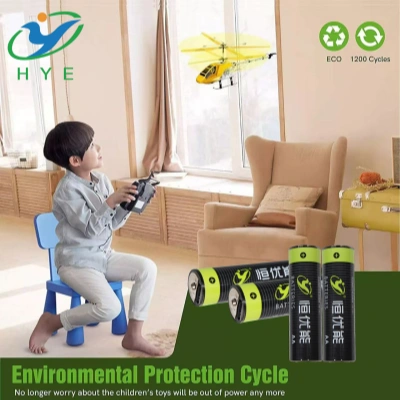
Lithium-Ion Battery: On the other hand, a lithium-ion battery is a rechargeable battery, which makes it much more versatile. It uses lithium compounds instead of pure lithium as its anode, making it safer for recharging. The lithium-ion battery has become the go-to energy source in the modern age, powering everything from smartphones to electric vehicles. These batteries can go through hundreds of charge cycles before they need replacing, making them an eco-friendly and cost-effective choice.
So, in a nutshell, while both battery types share a similar name and core materials, their ability to be recharged is the primary differentiator.
The Lifespan Factor
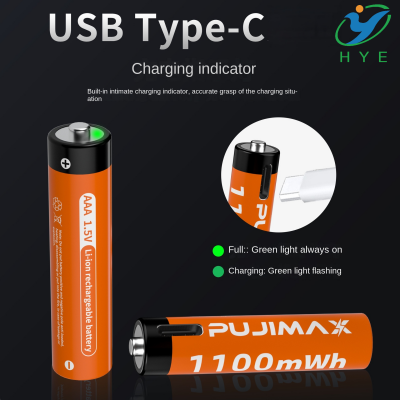
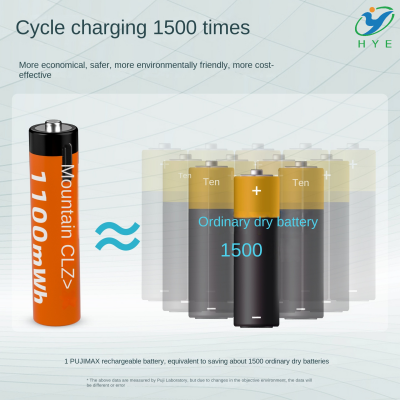
One of the most noticeable differences between a lithium-ion and a lithium battery is their longevity. A lithium-ion battery can last for hundreds of charging cycles, meaning that it can be recharged and used again and again. This is the reason why you’ll find USB rechargeable batteries for electronics and USB lithium batteries for power banks in almost every device today. Their extended lifespan makes them highly efficient for daily use.
In comparison, a lithium battery is a one-and-done deal. Once its energy is spent, you must dispose of it and replace it with a new one. While they offer excellent power output in a short span of time, their inability to be recharged limits their utility.
Energy Density and Weight
In terms of energy density, lithium batteries tend to have a higher energy density than their lithium-ion counterparts. This means they can store more power in a smaller, lighter package. This is one reason why you’ll often find long-lasting USB rechargeable batteries in devices that need compact yet powerful energy sources. However, this comes with the trade-off that lithium batteries are usually heavier for their size.
On the flip side, lithium-ion batteries have a slightly lower energy density but are much lighter and more efficient when it comes to power management. For example, a USB rechargeable lithium battery for power banks provides the perfect balance of portability and power storage, making it ideal for devices like portable chargers, electric cars, and even drones.
Safety Considerations
Both battery types come with safety concerns, but the lithium-ion battery has a few additional features built in to protect it from damage. For example, lithium-ion batteries are designed with overcharge protection, which prevents them from being damaged if they are charged for too long. Additionally, they come equipped with circuits to prevent overheating, which can be a risk with both types of batteries.
In comparison, lithium batteries don’t offer the same level of protection. Without mechanisms to control charging or prevent over-discharge, they can pose a greater safety risk, especially in high-drain situations. This is why lithium-ion batteries are often considered a safer option for consumer electronics.
Cost-Effectiveness
When it comes to cost, lithium batteries tend to be more expensive upfront, but they may be the better choice for certain applications that require a very long, single burst of energy. Lithium-ion batteries, while more affordable for most applications, offer better long-term value due to their reusability and longer lifespan.
Take a USB rechargeable battery for power bank, for example. The initial investment in a lithium-ion battery might be a little more than a lithium primary battery, but over time, the ability to recharge the battery multiple times saves you money and helps reduce environmental waste.
Real-World Applications
In everyday life, you’ll encounter USB rechargeable lithium batteries all around you. They power everything from laptops and mobile phones to toys and medical devices. Whether you’re using a long-lasting USB rechargeable battery for your wireless headphones or a USB lithium battery for power banks to keep your phone topped off, lithium-ion batteries make your life more convenient and connected.
Because of their reliability and rechargeable nature, lithium-ion batteries are the preferred choice for electronics that require portability and frequent charging. Meanwhile, lithium batteries are typically reserved for niche applications where long-lasting, one-time power is needed.
The Future of Lithium Batteries
Looking ahead, lithium-ion technology will likely continue to evolve. As energy demands increase and consumer expectations grow, research is underway to make these batteries even more efficient, safer, and environmentally friendly. The focus is shifting to improving their energy density, reducing their environmental impact, and making them more affordable for both consumers and manufacturers.
At HYE, we are at the forefront of this innovation. Specializing in USB rechargeable lithium batteries, our mission is to provide high-performance, cost-effective power solutions to meet the growing demands of industries worldwide. We believe in a future where lithium-ion batteries power everything from household gadgets to electric vehicles in an eco-friendly, sustainable way.
Conclusion
To sum it up: while both lithium and lithium-ion batteries rely on lithium as a core element, their fundamental differences lie in their rechargeability, lifespan, and cost-effectiveness. For modern electronics, lithium-ion batteries reign supreme, offering the ideal balance of power, portability, and sustainability. Whether it’s a USB rechargeable battery for electronics or a USB lithium battery for power banks, these cutting-edge power sources will continue to fuel our devices, enhance our experiences, and drive future innovation.
What is a USB rechargeable lithium battery
How Long Do Li-ion Rechargeable Batteries Last