how to charge battery via usb cable
How to Charge a Battery via USB Cable: A Step-by-Step Guide
In today’s tech-savvy world, charging devices via USB cables has become standard practice. But did you know that you can charge more than just your phone or tablet via USB? Thanks to advancements in battery technology, it is now easier than ever to charge a variety of batteries using USB cables. In this guide, we will explore the different methods for charging batteries via USB cables, the types of chargers, and why this is a game-changer for power-hungry devices.
Understanding USB Charging Technology
Before we jump into the specifics of how to charge a battery via USB cable, let’s first break down the technology behind it. The standard USB (Universal Serial Bus) connection, widely used for data transfer and power supply, now supports charging capabilities for various battery types. Whether you’re charging your AA batteries or even specialized power tools, the versatility of USB charging is remarkable.
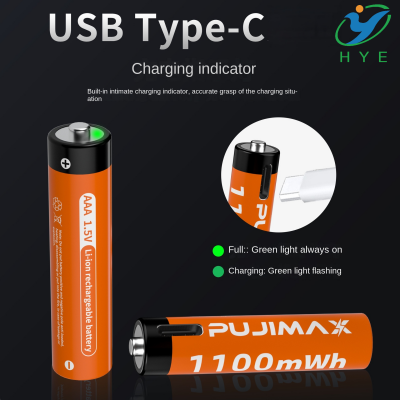
With the rise of modern charging methods, there are now various USB types—such as USB Type C, which is becoming the standard for fast charging and data transfer. Devices using this standard charge faster and more efficiently. Additionally, battery-to-USB converters are gaining popularity for their convenience, allowing you to connect various battery types to USB-powered devices for charging.
How to Charge Different Batteries via USB
Let’s dive into the specifics of charging various types of batteries with USB cables. Here are some popular methods:
1. Charging AA Batteries with a USB Cable
One of the most common applications for USB charging is for AA batteries. You can now easily find battery USB chargers AA that allow you to plug in AA batteries and charge them directly via a USB cable. These chargers are compact, user-friendly, and typically powered via USB ports on laptops, computers, or power banks. Simply insert your AA battery, plug the USB cable into your device, and let the charging begin!
When looking for the best USB battery charger for AA batteries, make sure it supports overcharge protection, ensuring the battery doesn't get damaged during the charging process.
2. Charging Vape Batteries with USB
Vape users know how crucial it is to keep their devices charged. Thankfully, many modern vape kits include the ability to charge their vape batteries with USB cables. USB charging ports make it incredibly easy to keep your device powered throughout the day, ensuring a seamless vaping experience.
Charging vape batteries via USB can be done with a simple USB charger designed for your vape model. It’s as simple as plugging the charging cable into the device and waiting for the battery to reach full charge. Many vaping devices now come with USB Type C ports, ensuring faster and more efficient charging than ever before.
3. Using Battery-to-USB Converters
If you need to use larger or non-standard batteries, you can use a battery to USB converter. This clever tool allows you to charge a range of batteries—from 18650 lithium-ion cells to larger, more industrial-sized batteries—by connecting them to a USB port. This is particularly useful for people who want to use their existing batteries for devices like flashlights, power banks, or even certain tools.
These converters are small adapters that typically feature positive and negative terminals where you can place the battery and a USB output on the other side. By connecting the USB end to a power source, such as a laptop or power bank, the battery will begin to charge. This method offers the flexibility to use a wide variety of battery types with a simple USB cable.
4. Charging Power Tool Batteries with USB
For those who use power tools like drills, saws, or other industrial devices, DeWalt batteries and Makita batteries are popular options. With the right Makita battery USB charger or a DeWalt battery to USB adapter, you can charge your tool batteries conveniently from a USB port.
These battery-to-USB converters are game-changers for people who don’t want to carry bulky chargers or hunt for power outlets. Simply plug the adapter into a USB port, and in no time, you’ll have a charged battery ready for action. This is particularly useful in outdoor settings, where access to a power outlet is limited.
5. Solar Panel USB Battery Chargers
For eco-conscious individuals or adventurers, a solar panel USB battery charger is a must-have. These chargers are powered by solar energy, making them perfect for outdoor activities, camping trips, or emergencies. With a solar-powered USB charger, you can recharge your devices anywhere the sun shines.
Simply connect your battery to the solar charger using a USB cable, and the solar panel will do the rest, converting sunlight into electrical energy to charge the battery. These chargers are often designed with USB outputs to charge a wide variety of devices, from smartphones to power tool batteries, all while minimizing environmental impact.
Why USB Charging is the Future
So, why should you consider switching to USB charging for your batteries? There are a few compelling reasons:
- Convenience: USB charging eliminates the need for multiple different chargers for various devices. Instead, one universal charging method—via USB—can be used for everything.
- Portability: USB chargers are compact and easy to carry, making them perfect for on-the-go charging. Whether you’re at home, traveling, or out on a job site, a USB charger can easily be plugged into laptops, power banks, or even solar panels.
- Fast Charging: With innovations like USB Type C, charging speeds have significantly improved. This means less time waiting for your devices to charge and more time using them.
- Cost-Efficiency: USB charging minimizes the need for expensive, proprietary chargers. With a battery to USB converter or a simple USB charger, you can charge your batteries without the need for additional, often costly accessories.
Choosing the Best USB Battery Charger
When selecting a USB battery charger, consider a few key factors to ensure you get the best product for your needs:
- Compatibility: Make sure the charger supports the type of battery you intend to charge (AA, AAA, vape, or power tool batteries).
- Charging Speed: Look for chargers that use USB Type C for faster charging times.
- Durability: Especially for tool batteries, choose chargers made from high-quality materials to withstand wear and tear.
Conclusion
Charging batteries via USB cable is no longer a novelty—it’s a practical, convenient, and efficient solution for a wide range of devices. Whether you’re charging AA batteries for household devices or power tool batteries with DeWalt and Makita converters, USB charging offers a versatile option that simplifies our daily lives. By incorporating battery USB chargers and USB Type C ports into everyday technology, we can enjoy faster, easier, and more eco-friendly charging solutions. So, the next time you need to charge a battery, think USB—it might just be the most convenient solution yet!
How to Charge a Canon Camera Battery via USB
how to charge aa batteries via usb