How to charge 3.7V lithium ion battery via USB
How to Charge a 3.7V Li-ion Battery with USB: A Step-by-Step Guide
Charging a 3.7V lithium-ion (Li-ion) battery with USB is not only convenient but also incredibly efficient, providing you with the flexibility to charge from various sources such as laptops, power banks, or USB wall adapters. Li-ion batteries are widely used in countless devices, from power tools to gadgets like flashlights and drones. This guide will walk you through the process of charging a 3.7V Li-ion battery using USB, covering the necessary tools, safety precautions, and why USB charging is such a fantastic solution for everyday use.
Can You Charge a 3.7V Li-ion Battery with USB?
Yes, you can charge a 3.7V Li-ion battery with USB, but the process requires specific equipment. While traditional battery chargers often require you to manually monitor voltage and current, using USB for charging provides a straightforward and reliable alternative. By employing a USB battery backup or a dedicated USB laptop battery charger, you can easily recharge your 3.7V battery from a USB power source.
What You Need to Charge Your 3.7V Li-ion Battery with USB
Before you begin charging, there are a few things you need to ensure:
-
USB to Battery Charging Cable: A suitable USB cable is necessary. You can use a USB battery bank or a battery for USB charging cable designed specifically for Li-ion batteries. These cables ensure that the proper current and voltage are delivered to the battery.
-
USB Charger/Adapter: A USB charger or USB laptop battery charger with the correct power output is essential. A typical USB port provides 5V of power, which is higher than the 3.7V that the battery requires. Therefore, you need a step-down voltage regulator or a charger designed to handle 3.7V Li-ion batteries safely. You might want to opt for devices like the Ryobi USB lithium battery chargers or other devices that can handle the specific requirements of Li-ion charging.
-
Charging Protection Circuit: Li-ion batteries need protection against overcharging, deep discharging, and short circuits. Therefore, using a charger with a built-in USB C 510 battery protection circuit is crucial to avoid damaging your battery.
-
Power Source: You can charge your 3.7V Li-ion battery using various power sources, including USB wall adapters, USB C 510 battery chargers, or even AAA battery rechargeable USB power sources for additional flexibility.
Step-by-Step Process to Charge a 3.7V Li-ion Battery Using USB
Step 1: Choose the Right Charger
To safely charge your 3.7V Li-ion battery with USB, select a charger that is compatible with Li-ion batteries. One of the most convenient and reliable options is a USB laptop battery charger, as it can provide a steady and regulated 5V output. You can also use devices like a Dewalt battery charger USB or a USB C 510 battery charger, which are designed to manage the specific charging needs of lithium-ion batteries.
Step 2: Connect the Charger to the Battery
Once you have your charger, connect the USB battery backup or battery for USB cable to the 3.7V Li-ion battery. Make sure the connections are secure and that the positive and negative terminals are correctly aligned to avoid short-circuiting.
Step 3: Plug into a USB Power Source
Now, plug the other end of the USB cable into your power source. This could be a USB battery bank, your laptop, or a standard USB wall adapter. Ensure that the power source is functioning properly and capable of delivering enough current to charge your battery safely.
Step 4: Monitor the Charging Process
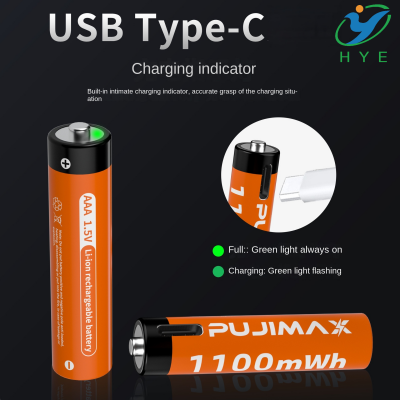
The charging process may take several hours, depending on the capacity of your battery and the charging current. Many modern chargers come with built-in LED indicators that show the charging status—typically a red light for charging and green when fully charged. It’s important to avoid overcharging your Li-ion battery to extend its lifespan, so make sure to unplug it when it’s fully charged.
Step 5: Disconnect and Store Safely
Once your 3.7V Li-ion battery is fully charged, disconnect it from the USB charger. Always store your Li-ion batteries in a safe, cool, and dry place to prevent any risk of damage or leakage.
Why Choose USB Charging for Li-ion Batteries?
Charging 3.7V Li-ion batteries with USB has several compelling advantages:
1. Convenience and Versatility
USB charging provides ultimate convenience. You can charge your 3.7V Li-ion battery from nearly any device with a USB output, such as a laptop, desktop, or portable power bank. Whether you're at home, in the office, or on the go, USB charging offers easy access to power without needing specialized chargers.
2. Faster Charging with USB-C
If you’re using a USB C 510 battery charger, the charging process can be faster than traditional USB-A chargers. USB-C technology supports higher currents, enabling more efficient charging of your Li-ion battery. Many newer devices, including portable chargers and laptops, now feature USB-C ports, which makes this technology even more accessible.
3. Cost-Effective
With the widespread use of USB cables and chargers, the cost of charging your 3.7V Li-ion batteries via USB is generally lower than investing in specialized battery chargers. Plus, you likely already have USB chargers and cables available, making it an affordable solution for maintaining your devices.
4. Space-Saving
USB chargers are typically compact and portable. If you’re someone who needs to recharge multiple devices or carry spare batteries, USB charging systems can save you a lot of space. Whether it's a USB battery backup or a battery for USB solution, these compact chargers are great for those with limited space.
5. Widely Compatible
Many modern devices use rechargeable AAA battery rechargeable USB packs or Ryobi USB lithium battery chargers, making it easy to integrate USB charging into your routine. USB charging works well with various power sources, including power banks, laptops, and USB adapters, which makes it a universal solution for your charging needs.
Safety Considerations When Charging Li-ion Batteries with USB
Although USB charging is convenient, there are a few safety considerations to keep in mind:
-
Avoid Overcharging: Always use a charger with an automatic shut-off feature to prevent overcharging. Overcharging Li-ion batteries can lead to overheating, reduced battery life, or even failure.
-
Use the Correct Voltage: Ensure that the USB charger you’re using is designed for 3.7V Li-ion batteries. Incorrect voltage can cause overheating or damage to your battery.
-
Monitor Temperature: Lithium-ion batteries should never get too hot while charging. If you notice the battery or charger is unusually warm, disconnect it immediately to avoid potential safety hazards.
-
Store Properly: Always store your batteries in a cool, dry place to prevent them from degrading or leaking.
Conclusion
Charging your 3.7V Li-ion battery with USB is a smart, cost-effective, and convenient solution for keeping your devices powered. By using the right USB charger, such as a USB laptop battery charger or USB battery bank, and following safety guidelines, you can ensure a fast, efficient, and safe charging experience. Whether you are using a Dewalt battery charger USB or a Ryobi USB lithium battery charger, USB charging gives you the flexibility to power your devices on your own terms. So, go ahead and make USB charging your go-to solution for keeping your 3.7V Li-ion batteries charged and ready to go!
how to charge a 9V battery via USB
how to charge 18650 battery with usb