How long does it take to charge a Ryobi USB lithium battery
How Long Does a Ryobi USB Lithium Battery Take to Charge?
Charging times for Ryobi USB lithium batteries depend on the specific battery model and the charging equipment used. In general, it takes about 1 to 2 hours to fully charge a Ryobi USB lithium battery using the standard charger that comes with Ryobi products. The fast charging feature of these batteries ensures that you spend minimal downtime, keeping your tools and devices powered up and ready to go.
But let's dive deeper into this topic and explore the nuances of charging times, factors that influence them, and how to maximize the lifespan of your USB rechargeable battery for remote control, Lithium USB battery pack for mobile devices, and other related products.
The Basics of Lithium Battery Charging
Lithium-ion batteries, including Ryobi’s USB lithium models, have become a go-to power source for various devices, from drones to power tools. They offer fast charging, long battery life, and excellent performance. However, understanding the factors that affect charging time can help you optimize their use.
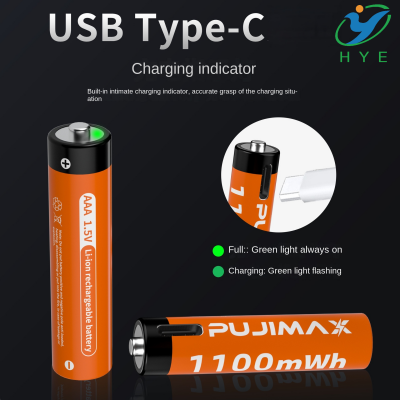
Ryobi’s USB lithium batteries typically include charging indicators to show the battery's charging status. Once plugged into the charger, the process generally begins at a rapid pace, but the rate slows down as the battery nears full charge to prevent overcharging, which can damage the battery.
So, how do USB lithium-ion battery for drones or USB rechargeable battery for remote control differ in their charging requirements?
Factors That Affect Charging Time
-
Battery Capacity and Voltage
Larger-capacity batteries take longer to charge than smaller ones. The Ryobi USB lithium battery typically comes in various sizes, from 18V batteries to smaller 12V options. A higher voltage means more energy storage, and thus, a longer charge time. -
Charger Type and Charging Speed
The quality and type of charger also significantly impact the charging time. Ryobi’s standard chargers charge at a typical rate of around 1 to 2 hours. However, fast chargers can cut this time in half. The same principle applies to devices like the USB rechargeable battery for remote control. If you’re using a charger that supports fast charging, you’ll spend less time waiting and more time using your gadgets. -
Battery Health
Over time, batteries degrade. If you’ve been using your Lithium USB battery pack for mobile devices for an extended period without proper maintenance, charging may take longer due to reduced efficiency. Regularly calibrating your battery (allowing it to discharge fully and then recharge) can help improve charging times. -
Environmental Factors
Temperature plays a role in charging times. Cold temperatures can slow down the chemical reactions inside the battery, leading to longer charge times. Similarly, if your device or charger is in a warm environment, it may overheat, causing the charger to reduce its charging rate to protect the battery. It’s best to charge your batteries in a moderate temperature range for optimal performance.
Charging Time for Specific Devices
-
Ryobi USB Lithium Battery for Tools
Ryobi’s USB lithium batteries are designed for tools, so their charging times are optimized for practical use. With a full charge, tools like drills, saws, or sanders can run for hours, and they typically take around 1 to 2 hours to recharge with the supplied charger. -
USB Lithium-Ion Battery for Drones
USB lithium-ion batteries for drones are similar in their charging mechanics but typically have slightly different characteristics. Drone batteries are high-capacity and require more power to fully charge. Depending on the size and voltage of the drone battery, charging times could range from 2 to 3 hours for a complete charge. Many drone manufacturers offer fast chargers that can reduce this time. -
Lithium USB Battery Pack for Mobile Devices
As mobile devices like smartphones and tablets often use smaller capacity Lithium USB battery packs, charging times are usually faster. For example, a typical smartphone battery of about 3000mAh might take anywhere from 1 to 2 hours to charge using a USB charger. The same rule applies to charging portable power banks, which often feature USB rechargeable batteries for remote control devices like TVs or game controllers.
Charging Tips for Maximum Efficiency
-
Avoid Overcharging
While many modern chargers have built-in protections to prevent overcharging, it’s still a good habit to unplug the battery once it reaches a full charge. Overcharging can degrade the Lithium USB battery pack for mobile devices and reduce its overall lifespan. -
Use the Right Charger
Always use the charger provided with your Ryobi tools, drones, or mobile devices. Using third-party chargers that are incompatible with your battery can result in slower charging speeds or even damage to the battery. -
Charge Regularly
Lithium-ion batteries don’t suffer from memory effect (a phenomenon where batteries lose their ability to hold a charge), but it’s still a good idea to avoid letting them fully discharge before charging. Keeping the battery between 20-80% charge is ideal for maintaining battery health. -
Temperature Control
Charging in a cool, dry environment will help speed up the charging process and prevent overheating. Avoid charging your batteries in areas where the temperature exceeds 95°F (35°C) as it can cause the battery to degrade faster and reduce the charge rate.
Conclusion
In summary, the time it takes to charge a Ryobi USB lithium battery is usually between 1 to 2 hours, but this can vary based on factors like battery size, charger type, and the environmental conditions. For devices like USB rechargeable batteries for remote control or Lithium USB battery packs for mobile devices, the charging time may be faster due to smaller battery sizes, but similar principles apply.
By understanding these factors and following the right charging practices, you can ensure that your batteries are always ready to go when you need them most—whether it's powering your Ryobi tools, keeping your drone in the air, or making sure your mobile devices never run out of juice.
How to check the voltage of a USB battery
What makes lithium ion batteries require a special charger