How Long Do Li-ion Rechargeable Batteries Last
How Long Does a Li-ion Rechargeable Battery Last?
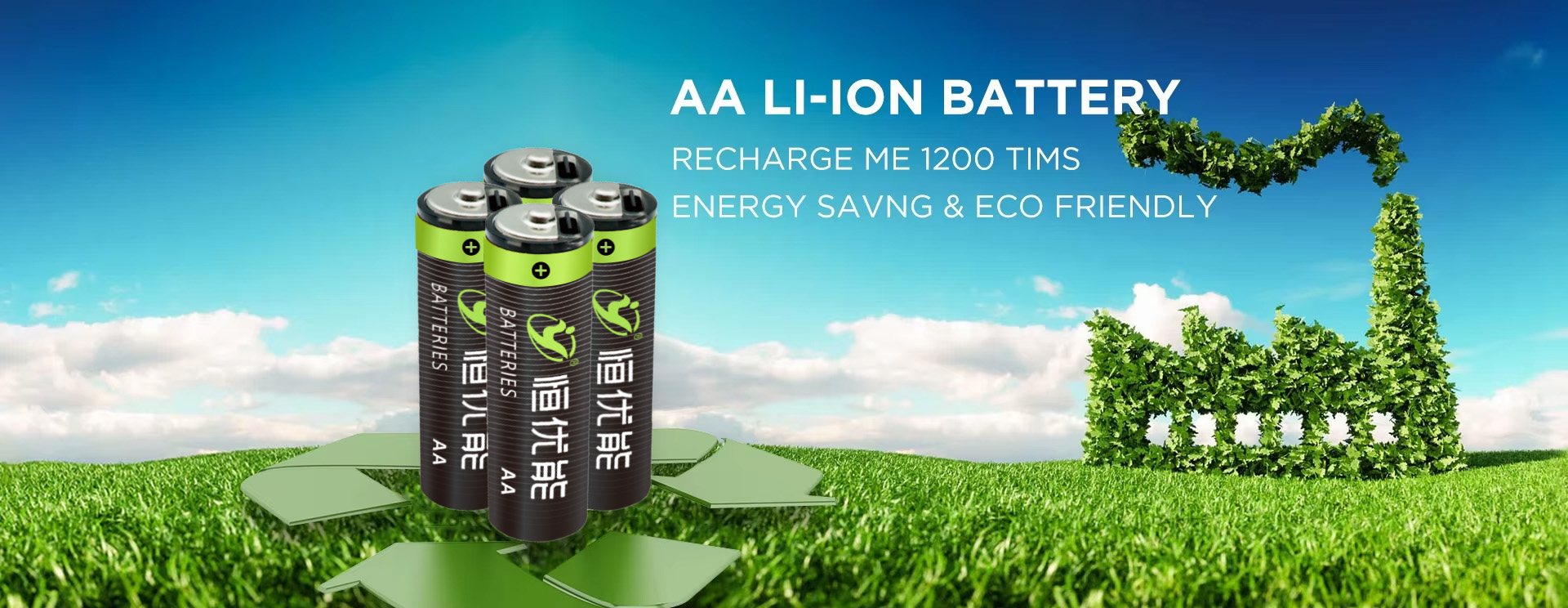
If you’ve ever wondered how long your Li-ion rechargeable battery will last, you’re not alone! Whether it’s powering your smartphone, laptop, or household devices, Li-ion rechargeable batteries are integral to our everyday lives. The answer to the question, “How long does a Li-ion rechargeable battery last?” depends on several factors, but typically, Li-ion rechargeable batteries last between 8 to 10 years, or about 600 to 1000 full charge cycles. Let’s explore what that really means and what factors influence the lifespan of these batteries.
Understanding the Lifespan of Li-ion Rechargeable Batteries
To understand how long your Li-ion rechargeable battery will last, it’s important to know what a charge cycle is. A charge cycle occurs when you use your battery from 0% to 100%. However, a full cycle doesn’t necessarily mean one continuous charge. If you charge your device from 50% to 100% one day, and from 30% to 100% the next, that counts as one full cycle.
On average, Li-ion rechargeable batteries can go through 300 to 500 charge cycles before their capacity begins to degrade. After this point, your battery will still work, but it may hold less charge than it did when it was new, reducing the device’s run time.
Factors That Affect Battery Life
Several factors impact how long your Li-ion rechargeable battery lasts, and some of them are within your control. Here’s a breakdown:
1. Charging Habits
How you charge your battery has a huge impact on its lifespan. Charging your battery to 100% and letting it drain to 0% frequently can shorten its life. It’s best to keep the charge between 20% and 80% whenever possible, which reduces stress on the battery and helps preserve its capacity.
2. Temperature
High temperatures are particularly damaging to Li-ion rechargeable batteries. Excessive heat can cause the battery to degrade faster and reduce its ability to hold a charge. Similarly, charging your device in a hot environment or leaving it in a hot car can cause the battery to age prematurely. On the other hand, very cold temperatures can temporarily reduce battery performance, but they aren’t as damaging as heat.
3. Overcharging
Leaving your device plugged in after it reaches 100% can harm the battery. Modern devices often have built-in protections to prevent overcharging, but regularly charging your device after it’s fully charged, especially with fast charging USB batteries, can still contribute to long-term wear.
4. Usage Patterns
The type of device you’re using and how you use it also plays a role in battery life. Devices that require high power usage, such as power-hungry smartphones or laptops, will deplete the battery faster than simpler devices. Additionally, constant usage of apps or features that demand a lot of power, like gaming or video streaming, can result in quicker battery drain.
Maximizing Battery Life
While you can’t stop the inevitable degradation of your Li-ion rechargeable battery, there are steps you can take to extend its life:
1. Charge in Stages
Try not to wait until your battery is completely dead before charging it. Charging in smaller increments — say from 20% to 80% — helps preserve the battery’s overall health. This keeps the battery from going through excessive charge cycles and helps maintain its capacity for longer.
2. Avoid Extreme Temperatures
Keeping your device and battery in a stable temperature range is essential. Avoid leaving it in direct sunlight or in hot environments like a car during the summer. Similarly, don’t store your device in freezing conditions, as this can temporarily impact battery performance.
3. Use Quality Chargers
Using the right charger matters. Low-quality chargers can damage your Li-ion rechargeable battery over time, especially if they cause excessive heat buildup. If you’re using a fast charging USB battery, ensure that the charger is designed for that purpose. Otherwise, it could overheat and cause damage.
4. Turn Off Unnecessary Features
If you’re trying to conserve battery life, it’s a good idea to turn off features you’re not using, such as Bluetooth, Wi-Fi, or background apps that drain power unnecessarily. This will reduce the overall load on your battery and help extend its lifespan.
How Long Will Advanced Batteries Last?
If you’re looking for more durability and longer-lasting power, you may want to consider high capacity USB rechargeable batteries. These batteries have a larger energy density, which means they can store more power without increasing in size. They tend to last longer than regular Li-ion rechargeable batteries, providing higher charge cycles and longer runtimes.
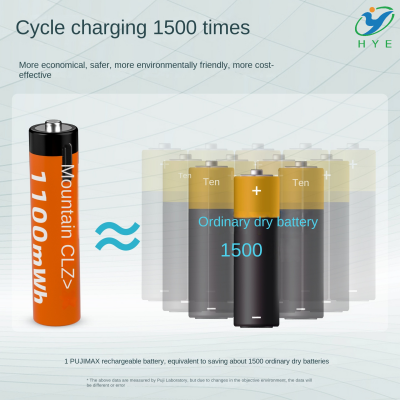
For example, a high capacity USB rechargeable battery may last up to 1000 charge cycles, compared to the 300-500 cycles of a regular battery. This makes them perfect for devices that demand more power and require frequent recharging. If you want to maximize your battery's lifespan, investing in high capacity USB rechargeable batteries is a smart move.
The Growing Trend of USB Rechargeable AA AAA Batteries
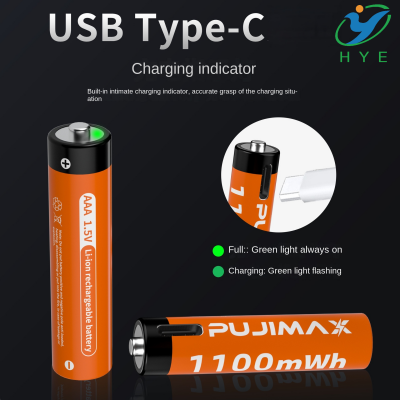
Another innovative solution for extending battery life comes from USB rechargeable AA AAA batteries. These small but powerful batteries are perfect for powering a variety of household devices, such as remotes, cameras, and toys. The beauty of USB rechargeable AA AAA batteries is their versatility and rechargeability, eliminating the need for disposable batteries.
When it comes to lifespan, USB rechargeable AA AAA batteries can also last for hundreds of cycles before their capacity starts to decline. They offer great convenience since you can charge them easily through a USB port, eliminating the hassle of swapping out batteries frequently.
Conclusion
So, how long does a Li-ion rechargeable battery last? On average, expect it to last between 8 and 10 years or about 600-1000 charge cycles. But with the right care, you can extend its lifespan even further. Be mindful of your charging habits, avoid extreme temperatures, and use high-quality chargers. And if you want even longer-lasting power, consider switching to high capacity USB rechargeable batteries or USB rechargeable AA AAA batteries, which offer more charge cycles and greater efficiency.
Ultimately, the longevity of your Li-ion rechargeable battery depends on how you treat it. With a little attention to detail, you can ensure that your battery powers your devices for years to come, providing reliable, long-lasting energy for all your gadgets.
What is the difference between lithium batteries and lithium-ion batteries
What Are the Disadvantages of Lithium-Ion Batteries