Does USB tethering drain or damage your battery
Does USB-C Damage Battery?
As USB-C continues to gain popularity for its faster charging and data transfer speeds, many consumers are asking: Does USB-C damage the battery? In short, USB-C does not inherently damage batteries—but the way it's used matters. When used correctly with the proper devices, USB-C can actually enhance the charging experience without causing harm. However, using subpar chargers or incompatible devices may cause long-term damage to your battery's health. In this article, we'll explore why USB-C is generally safe and how it works with various types of USB chargers.
How Does USB-C Work?
USB-C, or Universal Serial Bus Type-C, is a newer, more efficient connection standard designed to support higher power transfer, faster charging, and better data handling. It's used across many devices, from smartphones and laptops to power banks and more. USB-C charging is capable of delivering up to 100W of power—significantly more than its predecessors, such as USB-A.
USB-C, or Universal Serial Bus Type-C, is a newer, more efficient connection standard designed to support higher power transfer, faster charging, and better data handling. It's used across many devices, from smartphones and laptops to power banks and more. USB-C charging is capable of delivering up to 100W of power—significantly more than its predecessors, such as USB-A.
What sets USB-C apart is its reversible design and the fact that it can handle both data and power through the same cable, making it incredibly versatile. However, the question remains: does this increased power capacity pose any risk to your device’s battery? Let’s look at this more closely.
Understanding Battery Charging with USB-C
The biggest misconception about USB-C charging is that the higher power output will automatically damage your device’s battery. This isn’t true. The key factor is the USB charging protocol that is used during the charging process. Modern devices come equipped with a Battery Management System (BMS) that monitors and regulates the flow of power to prevent overcharging, overheating, and other potential issues that could harm the battery.
The biggest misconception about USB-C charging is that the higher power output will automatically damage your device’s battery. This isn’t true. The key factor is the USB charging protocol that is used during the charging process. Modern devices come equipped with a Battery Management System (BMS) that monitors and regulates the flow of power to prevent overcharging, overheating, and other potential issues that could harm the battery.
When charging a device using a USB-C charging battery or a USB-C battery case, the power delivery is intelligently controlled. The BMS will only draw the amount of power needed for the battery, so even if you are using a higher power source (such as a solar-powered USB battery charger), it will not force excess power into the battery. This means that, in general, USB-C does not damage your battery.
Key Points to Consider for Safe Charging with USB-C
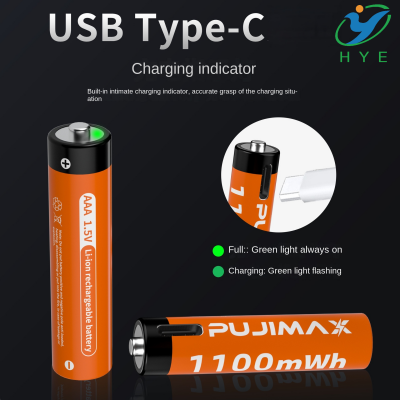
Correct Power Delivery: For charging to be safe, the device and charger need to support the same power delivery standard. For instance, a USB-C mobile battery charger or a USB-C type battery pack should be equipped with USB Power Delivery (PD), which ensures that the right voltage and current are being supplied to the battery.
Correct Power Delivery: For charging to be safe, the device and charger need to support the same power delivery standard. For instance, a USB-C mobile battery charger or a USB-C type battery pack should be equipped with USB Power Delivery (PD), which ensures that the right voltage and current are being supplied to the battery.
Use Certified Chargers: To ensure that your battery stays safe, always use certified USB chargers designed for your specific device. A poorly designed charger can deliver incorrect voltages or insufficient current, which could lead to overheating or damage. Solar USB battery chargers, for example, need to be specially designed to match the charging needs of lithium-ion batteries to avoid issues.
Compatibility of Cables and Adapters: When using USB-C for charging, make sure the cable and adapter are compatible with your device. USB-C to USB adapters or cables should be designed for fast charging if you want to take advantage of the higher power that USB-C offers. Poor-quality cables or adapters may overheat, potentially causing damage.
Temperature Control: Excessive heat is one of the biggest threats to battery longevity. Although USB-C charging can be faster, it’s important to ensure that your charging setup is temperature-controlled. If your device becomes too hot during charging, it can degrade the battery’s health over time. This is why it’s important to use a battery tender USB or other quality charging equipment designed to manage the heat output during fast charging.
Battery Management System (BMS): As mentioned earlier, the BMS plays an essential role in preventing battery damage. The BMS will adjust the charging rate to prevent overcharging, overheating, or overvoltage. This ensures the battery is charged efficiently without causing harm. Devices using USB-C charging batteries often have built-in BMS technology to safeguard the battery throughout the charging process.
Can Solar-Powered USB Battery Chargers Affect Your Battery?
If you’re using solar-powered USB battery chargers, the situation becomes a little different. Solar USB battery chargers tend to provide lower power output compared to traditional wall chargers, which is why they may take longer to charge your device. However, as long as the charger is designed correctly, it should not damage the battery. In fact, many solar chargers are optimized to provide a consistent, regulated charging current, which helps preserve the health of your battery.
If you’re using solar-powered USB battery chargers, the situation becomes a little different. Solar USB battery chargers tend to provide lower power output compared to traditional wall chargers, which is why they may take longer to charge your device. However, as long as the charger is designed correctly, it should not damage the battery. In fact, many solar chargers are optimized to provide a consistent, regulated charging current, which helps preserve the health of your battery.
When charging through solar-powered USB chargers, it’s crucial to use devices that are equipped with a BMS to ensure that the correct power is being supplied. For example, a USB type C battery pack with the proper protection circuits can ensure the device is not overcharged.
How to Maximize Battery Life with USB-C Charging
While USB-C is generally safe for charging, following a few best practices can ensure your battery remains in excellent condition:
While USB-C is generally safe for charging, following a few best practices can ensure your battery remains in excellent condition:
Avoid Overcharging: Even though most modern devices feature an intelligent charging system, it’s still important to avoid leaving your device plugged in for extended periods after it’s fully charged. This will help reduce the likelihood of overheating and minimize wear and tear on your battery.
Monitor Battery Temperature: If you’re charging with a solar USB battery charger or USB mobile battery charger, ensure the device does not get too hot. Avoid charging in direct sunlight or in extremely hot conditions.
Use Quality Equipment: Always opt for high-quality USB-C charging battery equipment. Cheap chargers or cables might cause inconsistencies in the power supply, leading to possible battery damage.
Partial Charges Are Fine: It’s not always necessary to fully charge or fully discharge your battery. Lithium-ion batteries, commonly used in USB-C devices, perform well with partial charges, so don't feel the need to wait until the battery is completely drained before plugging it in.
Conclusion
So, does USB-C damage batteries? The short answer is no—USB-C itself will not damage your battery. With the right equipment and safe charging practices, USB-C can actually improve your charging experience, providing faster and more efficient power delivery. Whether you're charging with a solar-powered USB battery charger, using a USB-C battery case, or a battery tender USB, the key to preserving your battery’s health is ensuring that all components are compatible and certified.
So, does USB-C damage batteries? The short answer is no—USB-C itself will not damage your battery. With the right equipment and safe charging practices, USB-C can actually improve your charging experience, providing faster and more efficient power delivery. Whether you're charging with a solar-powered USB battery charger, using a USB-C battery case, or a battery tender USB, the key to preserving your battery’s health is ensuring that all components are compatible and certified.
By following best practices such as using certified USB-C charging battery devices, ensuring proper power delivery, and monitoring temperature, you can safely enjoy the benefits of USB-C charging without worrying about damage to your battery. As USB-C continues to evolve, we’ll likely see even more advancements that make charging safer, faster, and more efficient.
Release time: 2025-02-02
how to charge 18650 battery with usb
Does using USB-C harm the battery