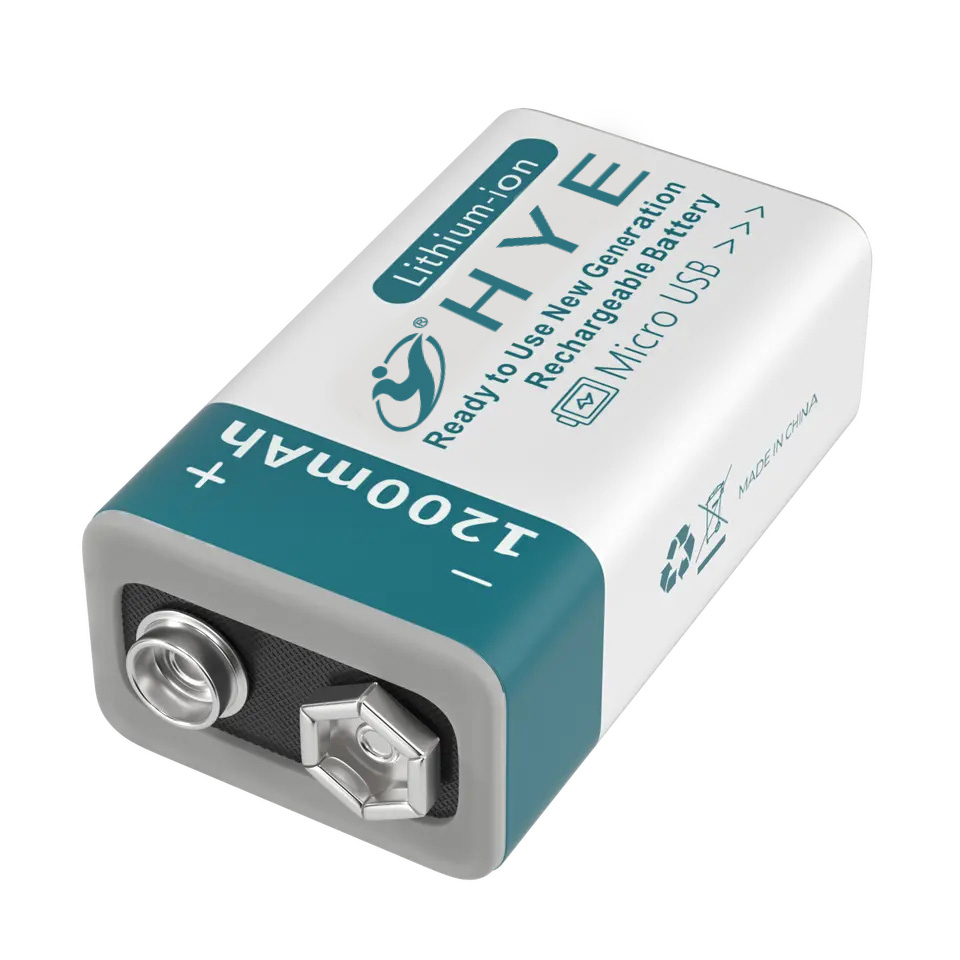
Why Using the Right Battery Voltage Matters
2024-12-27
| "Now, you might be wondering whether to use a 1.5V or a 1.2V battery. The answer is simple: just check the device. Most machines clearly label the required voltage. For example, if the label says 3V, that means it needs two 1.5V batteries to give you the total of 3V. You’ll see this on many devices, whether it’s a TV remote or another gadget. The battery compartment itself usually states that it needs 3V. However, many people still opt to use 1.2V batteries. But here’s the thing: two 1.2V batteries only provide 2.4V, which is below the required 3V. While it might work for a while, the device will be running on lower voltage, which means less power and poor performance. You can still use 1.2V batteries, but don’t expect them to give you the same performance as 1.5V batteries. Now, let’s take a look at another example. See this device? It also has a clear label stating that it requires DC 3V, which is exactly what two 1.5V batteries provide. But using two 1.2V batteries only gives you 2.4V, which is inadequate for proper operation. It’s crucial to match the voltage requirements on your devices. For instance, some devices will specify 2.5V, and you need to use the right batteries to meet that requirement. The original power supply that comes with most devices is designed to exceed 3V, not fall short. Also, consider modern charging options. Many devices now use USB-C charging, and the voltage is typically sufficient for 1.5V. However, with 1.2V rechargeable batteries, you often need to buy a separate charger, and even then, charging can be unreliable. In short, while 1.5V batteries can often replace 1.2V batteries in certain cases, the reverse isn’t true. Always check your device’s specifications to ensure you’re using the correct voltage. That’s it for today’s tips. Let me know your thoughts in the comments! |
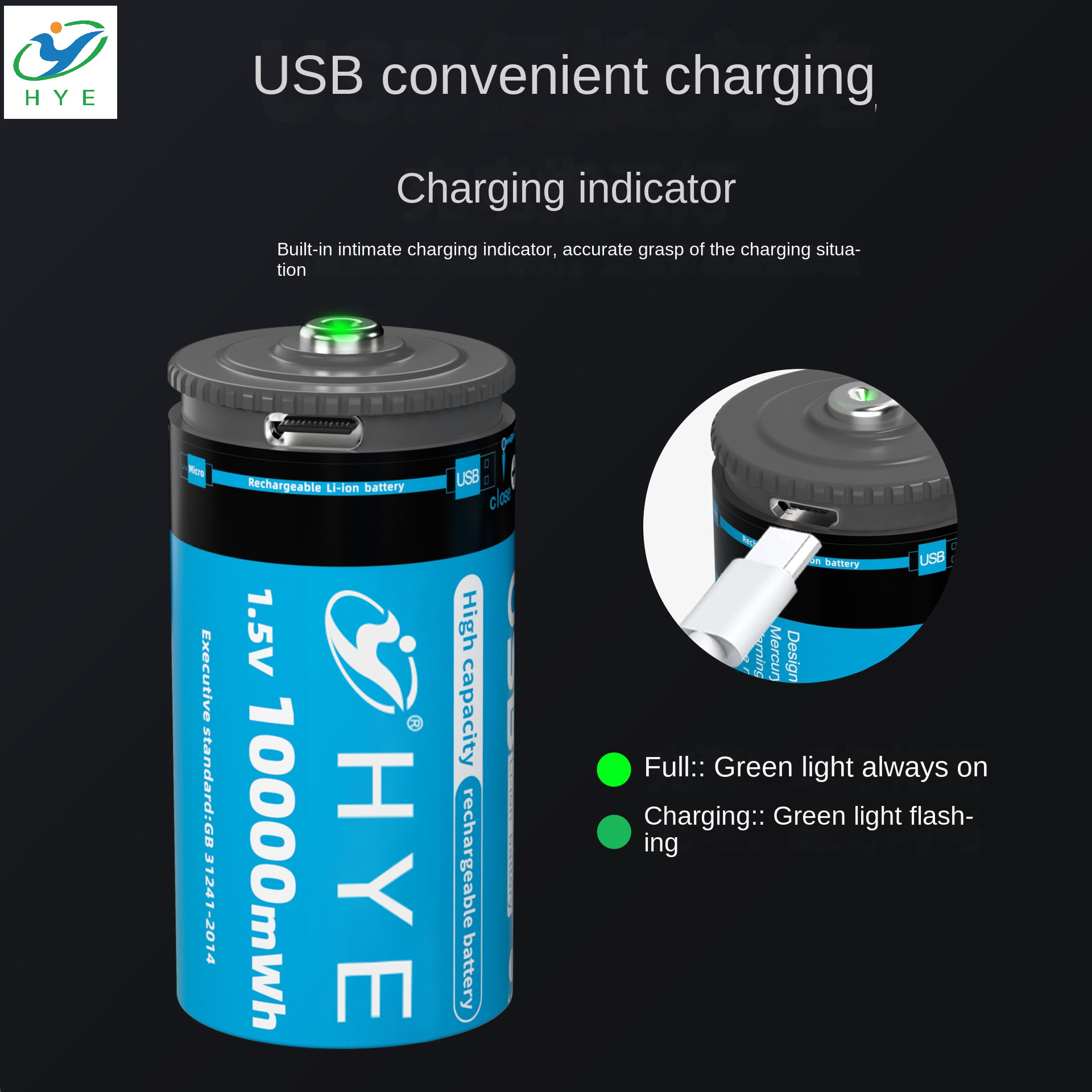
Revolutionary D Size Rechargeable Lithium Battery
The Game Changer in Household Batteries