How to make a programmable LED fan at home
1. Introduction to the Programmable LED Fan
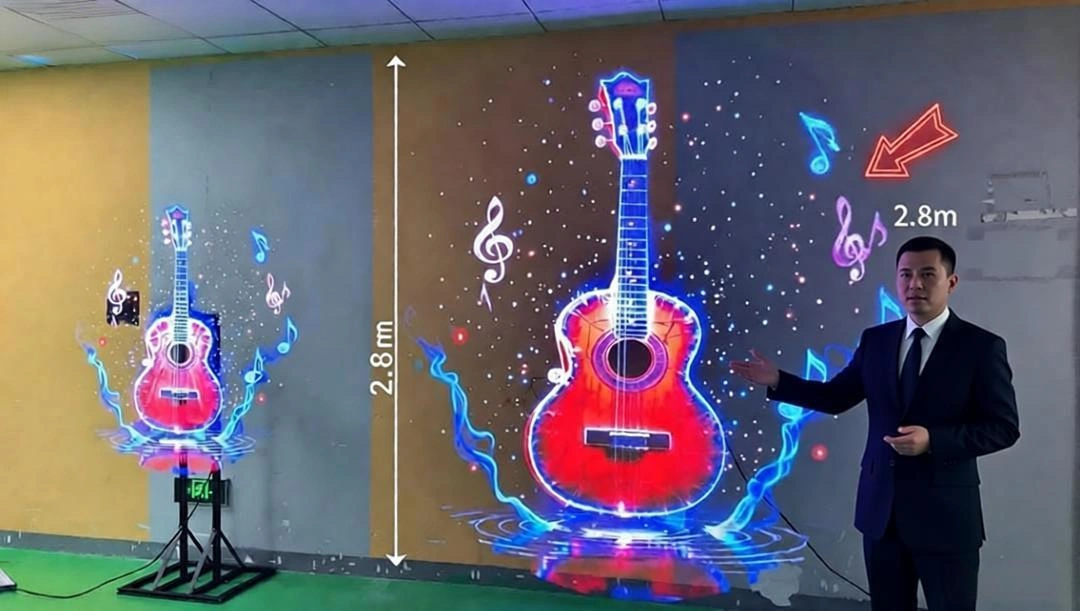
A programmable LED fan is an innovative device that combines cooling technology with stunning visual effects. Unlike traditional fans, this fan features a series of high-speed rotating LED lights that create mesmerizing holographic displays. The LED fan can be customized to show animations, text, or even 3D visuals, making it perfect for exhibitions, events, or home decoration. By building your own programmable LED fan, you can enjoy a unique holographic display for exhibitions while also learning about electronics and programming.
2. Components Needed for the LED Fan
To build a programmable LED fan, you will need several key components. The most important part is the LED fan blade, which contains multiple addressable LED strips. You will also need a microcontroller (such as an Arduino or ESP8266) to control the holographic display. Other essential parts include a motor driver, a power supply, and a frame to hold the LED fan in place. For advanced holographic displays for exhibitions, you may also need a Bluetooth or Wi-Fi module for wireless control.
3. Assembling the Hologram LED Fan
The first step in building a hologram LED fan is assembling the hardware. Start by attaching the LED strips to the fan blades, ensuring they are evenly spaced. Next, connect the motor (brushless motor, such as Aidecoolr motor) to the microcontroller, which will regulate the fan's speed and LED patterns. The programmable LED fan requires precise synchronization between the spinning blades and the LED lights to create a smooth holographic display. Once assembled, secure the fan in a stable frame to prevent vibrations that could disrupt the hologram LED fan effect.
4. Programming the LED Fan for Holographic Effects
Programming is what makes the LED fan truly unique. Using Arduino IDE or similar software, you can code custom animations for your holographic display for exhibitions. The programmable LED fan relies on persistence of vision (POV) to create floating images. By timing the LED flashes with the fan's rotation, you can generate text, logos, or even 3D visuals. For a hologram LED fan, pre-designed patterns can be loaded, or you can create your own using graphic design tools.
5. Powering and Controlling the LED Fan
A programmable LED fan requires a stable power source to function properly. Most LED fans operate on 5V or 12V DC, depending on the LED density. For wireless control, integrating Bluetooth or Wi-Fi allows users to change the holographic display in real time. This feature is especially useful for holographic displays for exhibitions, where dynamic content is essential. Always ensure proper insulation and safety measures when wiring the hologram LED fan to avoid short circuits.
6. Applications of the Hologram LED Fan
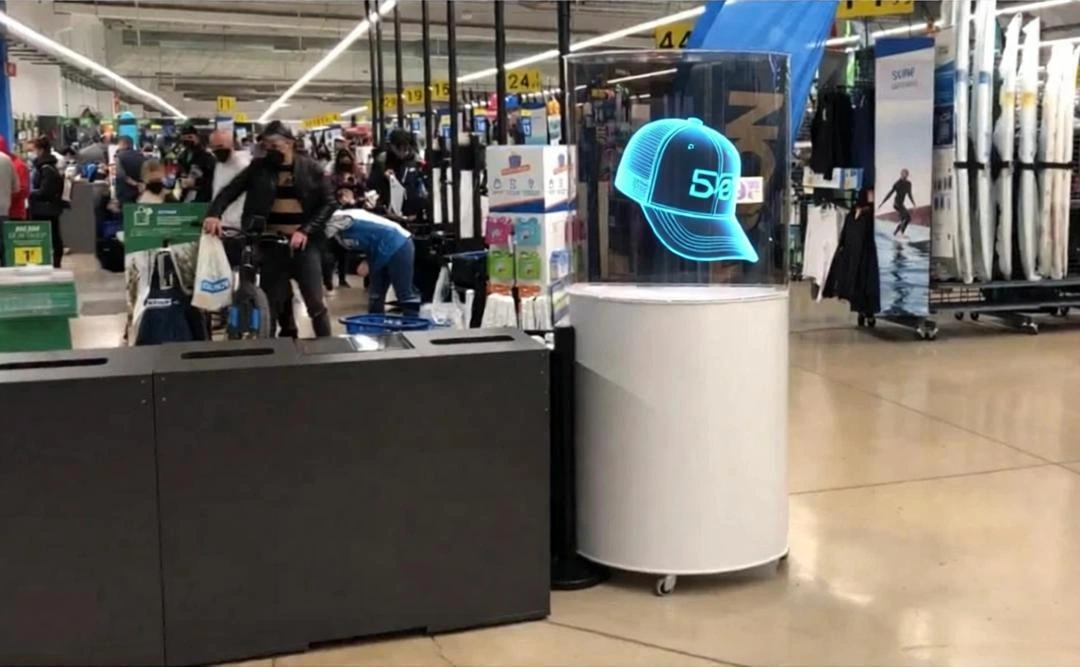
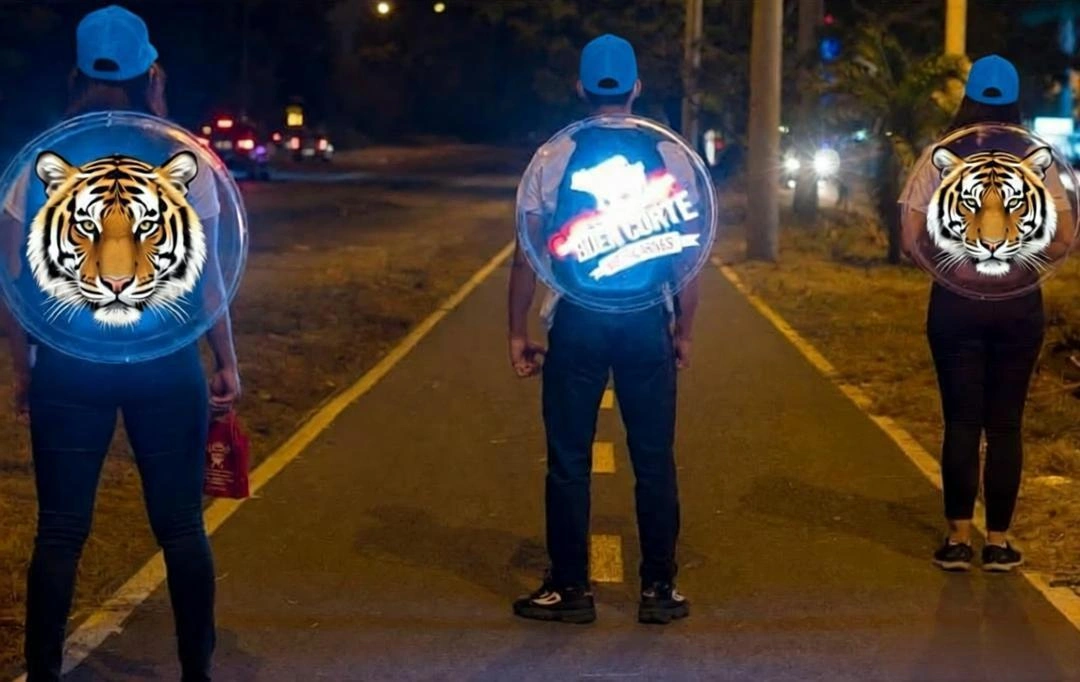
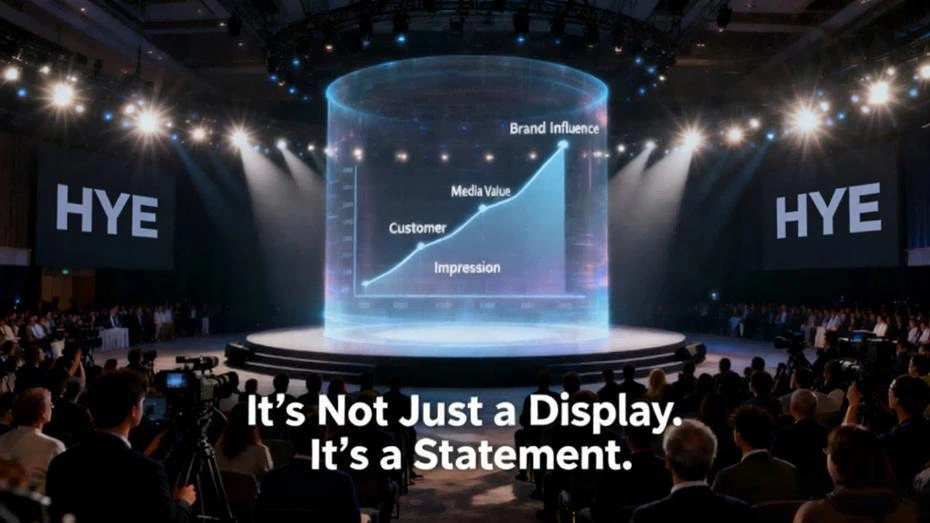
The programmable LED fan is not just a cooling device—it's a versatile display tool. Businesses use holographic displays for exhibitions to attract attention with floating ads. At home, the LED fan can serve as a futuristic decoration or digital signage. Event planners incorporate hologram LED fans for immersive stage effects. The ability to customize the programmable LED fan makes it ideal for branding, entertainment, and interactive installations.
7. Troubleshooting Common LED Fan Issues
Even the best programmable LED fan may encounter issues. If the holographic display appears distorted, check the synchronization between the LED timing and fan speed. Flickering LEDs may indicate power supply problems. For a hologram LED fan that doesn't start, verify motor connections and code errors. Regular maintenance ensures the LED fan remains efficient for holographic displays for exhibitions and personal use.
8. Enhancing Your LED Fan's Performance
To maximize the impact of your programmable LED fan, consider adding more LEDs for brighter visuals. Upgrading the microcontroller can enable more complex holographic displays. For professional hologram LED fan setups, integrating motion sensors or voice control adds interactivity. The LED fan can also be synchronized with music for dynamic holographic displays for exhibitions, making it a crowd-puller.
9. Where to Showcase Your Hologram LED Fan
Once your programmable LED fan is ready, display it where it gets the most attention. Retail stores use holographic displays for exhibitions to highlight products. Museums and galleries feature hologram LED fans for interactive art. At home, the LED fan can be a conversation starter in living rooms or gaming setups. The possibilities for a programmable LED fan are endless, limited only by creativity.
10. Conclusion: The Future of LED Fans
The programmable LED fan represents the future of interactive displays. With advancements in LED technology, holographic displays for exhibitions will become even more vivid and accessible. Building a hologram LED fan at home is a rewarding project that blends engineering and artistry. Whether for personal enjoyment or professional use, the LED fan offers a glimpse into the next generation of visual technology. Start your programmable LED fan project today and experience the magic of floating holograms! if you encounter any issues, feel free to leave me a message.
Release time: 2025-06-04
Do 3D fan hologram really work
What is the function of 3d holographic fan