Do Holographic Fans Need a Screen
Understanding Holograms: Screens, Technology, and the Future of Holography
In science fiction movies, the allure of holograms often lies in their ability to project three-dimensional pictures that float effortlessly in the air. These captivating visuals require no screens or projectors—only light that shapes forms mid-air. But do holograms truly need a screen? The answer is nuanced, depending on factors like the type of hologram, the underlying technology, and budget considerations, which can range from $50 for household gadgets to $50,000 for advanced industrial systems.
Holograms That Utilize Screens
(Most Common in Today’s Market)
Many of today’s holographic experiences rely on surfaces such as screens, glass, or rotating blades to create convincing 3D illusions:
-
Holographic Displays: “Invisible” Screens
• How they work: Transparent OLED screens or specialized glass panels project images that appear to float in space.
• Retail example: Samsung’s innovative showroom displays make smartphones appear as if they are screen-free.
• Budget-friendly option: Acrylic “hologram pyramids,” priced around $20, reflect content from phone or tablet screens to create floating visuals ideal for parties or retail promotions. -
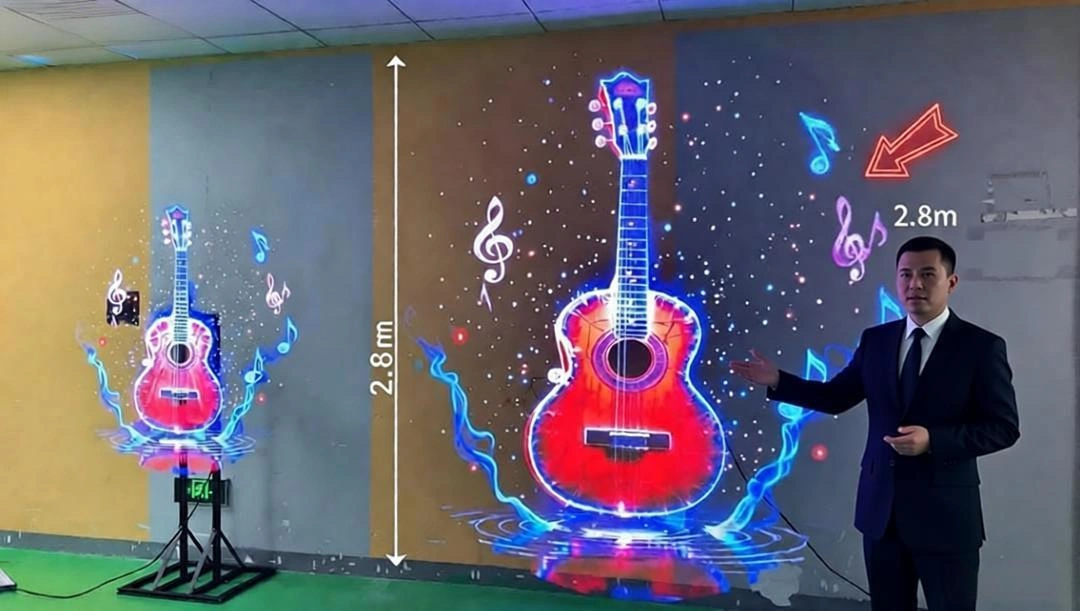
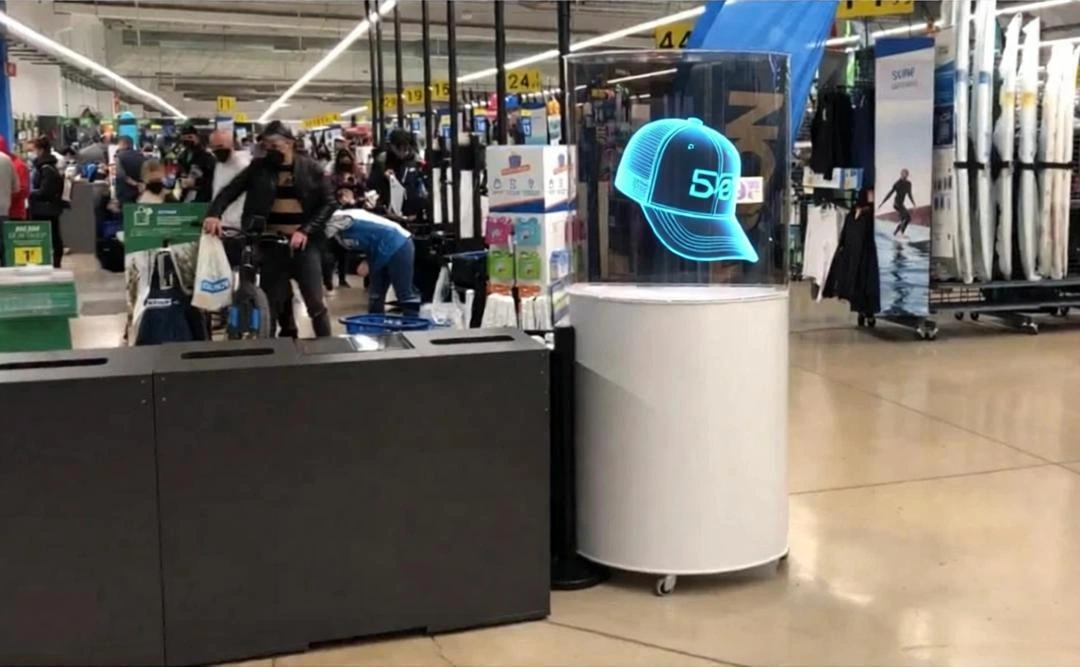
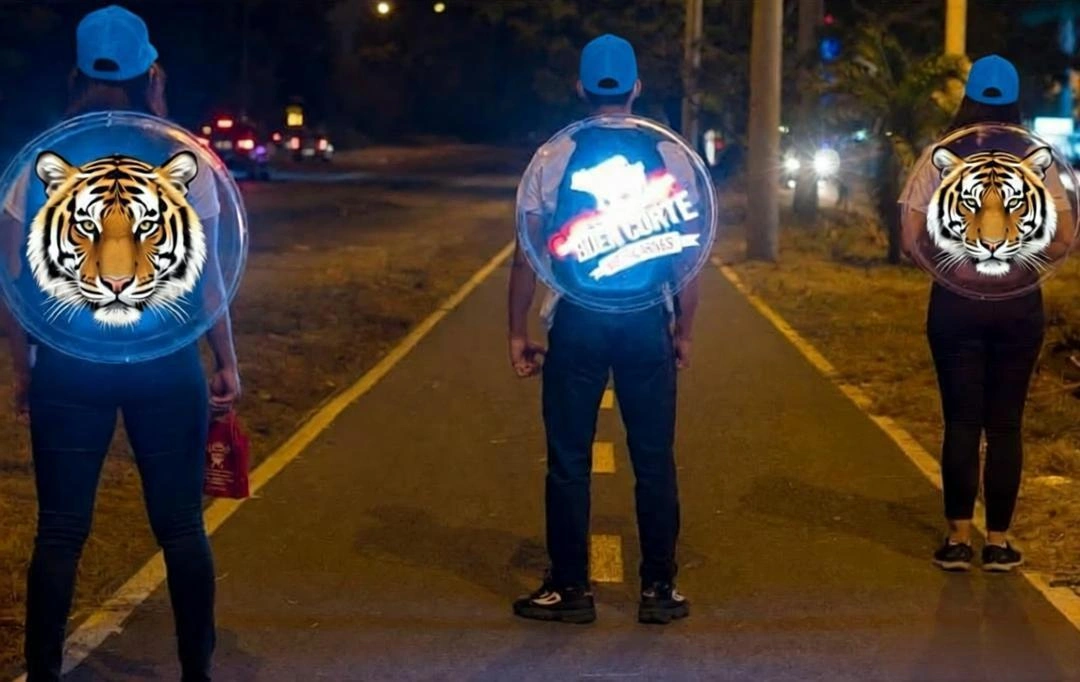
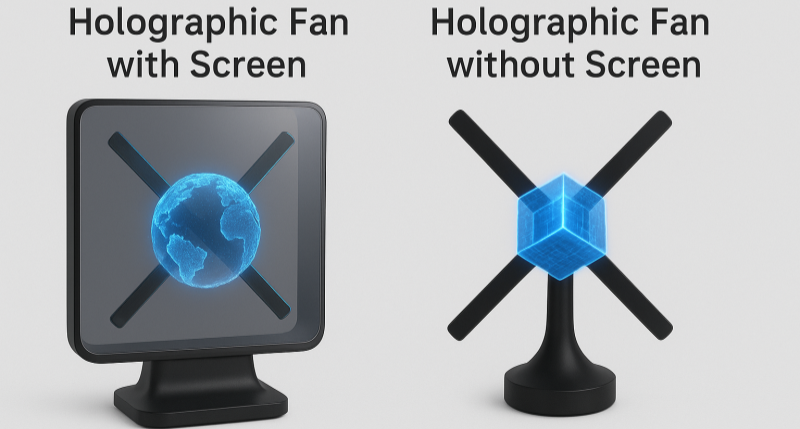
Holographic Fans: Dynamic Blade Surfaces
• How they work: Blades embedded with LEDs spin at speeds exceeding 3,000 RPM, leveraging persistence of vision to form a seamless “screen.”
• Use cases:
• Cafés use these fans to project 3D animations, like steaming coffee cups, with systems starting at $150.
• Jewelry stores employ them to showcase floating necklaces and other products, enhancing visual appeal.
Screenless Holograms: Bridging Sci-Fi and Reality
(Rare and Costly, Yet Truly Screen-Free)
-
Laser Holography
• This process involves splitting laser beams to generate interference patterns, reconstructing detailed three-dimensional objects in open space.
• Professional use: Surgeons rely on systems like those from Zebra Imaging (priced at $10,000 or more) to examine floating 3D heart models during complex operations. -
Airborne Projection
• How it works: Lasers project images onto mist or ionized air, forming vivid 3D visuals without physical surfaces.
• Limitations: These systems require wind-free environments and often involve fridge-sized units costing over $100,000, such as those used by Burton Inc. for large concerts. -
Metamaterial Holography
• Utilizing nanoscale structures, this technology bends light to generate three-dimensional images without any physical surface.
• Use case: Factories deploy it for projecting detailed industrial blueprints in immersive 3D.
Choosing the Right Holographic Technology
| Scenario | Recommended Tech | Why |
|---|---|---|
| Small Business / Home | Screen-based (fans/displays) | Affordable (ranging from $20 to $500), easy setup, and ideal for everyday use. |
| Medical / Engineering | Screenless laser holograms | Enables full 360° interaction and reduces surgical errors by up to 35%. |
Debunking Common Myths
• Myth: “Screen-based holograms are fake.”
Truth: These systems create highly convincing 3D illusions, making them perfect for retail, events, and promotions.
• Myth: “Movie-style holograms exist today.”
Truth: While screenless holograms are real, they often appear dimmer, less colorful, and require tightly controlled environments.
The Future of Holography: Blurring the Lines
• Emerging tech: Solid-state holograms, such as those developed by Light Field Lab, can project into open space without moving parts.
• Screen evolution: Transparent displays are becoming increasingly compact, and modern holographic fans can now sync with smartphones for real-time content updates.
Final Verdict
Most practical holograms—including holographic displays and holographic fans—rely on screens to remain affordable and functional. Although screenless options exist, they are primarily reserved for high-stakes fields like medicine due to their cost and complexity. As holography continues to advance, the distinction between screen-based and screenless technologies will gradually fade, unlocking new possibilities for consumers and industries alike.
Do 3D holograms exist today
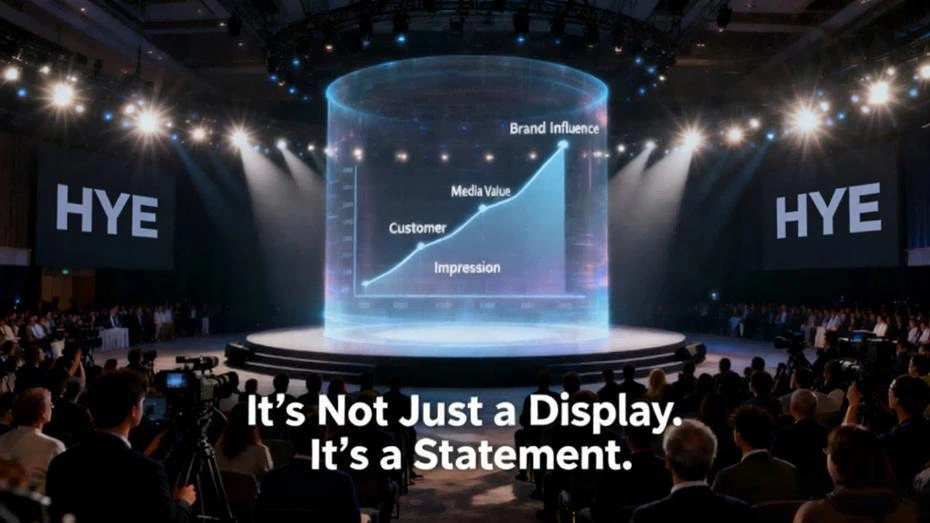
How HYE 3D Hologram Fan Creates Floating Images in Mid Air