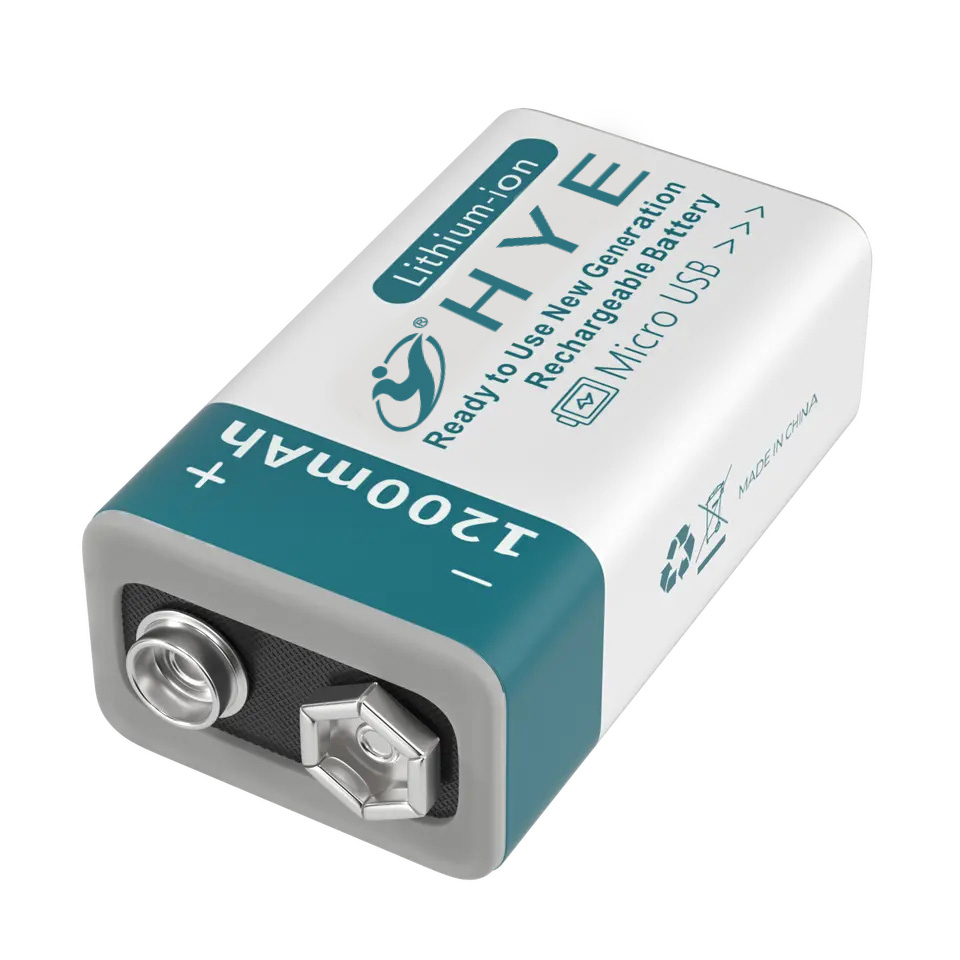
Add USB and change to charging type
2024-12-23
| Who would have thought that a seemingly dead AA battery, on the brink of losing its power, could get a second chance at life? That’s right! The creative, resourceful young man in front of you decided to transform this battery into a rechargeable one with a USB port.
First, he removed the negative plate along with the bottom rubber ring. Then, using a drill, he carefully hollowed out the battery's core, removing the internal separator and the mixture of mainly wood particles inside. Next, he took a 3.7-volt polymer battery, a USB circuit board, and a 1.5-volt power chip—all of these had to fit inside the original battery casing. He started by separating the components on the power module and the USB interface. Using pliers, he securely fastened everything, cleaned the USB port thoroughly, and wrapped it with double-sided tape to secure it. Step by step, he added key electronic parts, meticulously assembling them to ensure everything worked smoothly. Given the small size of the components, he worked with precision, making sure each part was installed correctly for optimal functionality. Then, he placed fine metal wires on the surface of each component, ensuring they would be effectively soldered together. After connecting a copper wire to the back and adding two differently sized wires, his skilled hands showed he was no stranger to the work of an experienced electrician. He added a diode to each side of the USB and soldered it to form a solid unit. Space inside the battery was limited, so he carefully extracted the core parts from each component, shrinking their size without compromising their functionality. He also cut a hole in the battery’s surface to match the USB port. Next, he inserted the polymer battery and connected the red and black wires to the power chip. After applying nail polish for insulation, he placed the assembly into the designated slot and secured it tightly. Once the circuit was complete, he used a syringe to inject a few drops of epoxy resin for sealing. He then applied glue to secure the perforated negative plate and trimmed the excess wires. With the positive and negative poles restored, he carefully baked the outer rubber casing to smooth it out, and voilà—the USB port was ready to go! All that was left was to plug in a charging cable, power it up, and start charging the battery—transforming this once-disposable battery into a reusable one. To test its power, he placed it into a clock, and much to his surprise, the clock's hands began to turn. It was a genius transformation. If you had to rate this rechargeable battery on a scale from 1 to 100, how would you score it? |
Upgrade to Long-Lasting Power
lithium battery factory